Sign Up Today
Latest News

Author Archives: Administrator

Sign Up On-The-Go! Donate Life California Registry Goes Mobile
dlc-1

SAN DIEGO, Calif., August 15, 2013 – Californians now have the power to save lives on their cell phones. Instead of waiting to register as organ, eye and tissue donors through the DMV or on the computer, Californians can log on to Donate Life California’s new, mobile-enabled websites, www.donateLIFEcalifornia.org and www.doneVIDAcalifornia.org.

The new mobile-enabled websites include quick links to:

– Sign up on the Registry – It takes 30 seconds or less to fill out the form to be put on the state-authorized organ, eye and tissue donor registry.
– Donation Fast Facts – Learn important information about organ, eye and tissue donation. For example, one person can save eight lives and enhance 50 others through organ, eye and tissue donation.
– Stories of Hope – Read about inspirational Californians who have either given or received the gift of life through organ, eye and tissue donation.

“With technology at almost everyone’s fingertips, our new mobile-enabled websites are a fast and easy way for Californians to sign up and learn more about the Donate Life California Organ & Tissue Donor Registry. It’s now easier than ever to say “Yes!” to organ, eye and tissue donation!” said Charlene Zettel, Donate Life California CEO.

Right now, more than 21,000 people in California are on the national organ transplant waiting list. Sadly, three people die in California each day waiting for a lifesaving transplant. Donate Life California’s mission is to save lives by inspiring people to sign up with the state organ and tissue donor registry.

The Donate Life California Organ & Tissue Donor Registry is the nonprofit, state-authorized organ and tissue donor registry which records the decision to donate in a secure, confidential database that is searched by authorized organ and tissue recovery personnel at the time of an actual donation opportunity. It is administered by Donate Life California and California’s four nonprofit, federally designated organ recovery organizations: Donor Network West , Lifesharing, OneLegacy and Sierra Donor Services. For more information about the Donate Life California Registry, how donation saves and improves lives, and to sign up, please visit www.donateLIFEcalifornia.org or www.doneVIDAcalifornia.org.

Contact:
Brianne Mundy
Program Manager
Donate Life California
3465 Camino del Rio South, Suite 410
San Diego, CA 92108
619.563.5137
brianne@donatelifecalifornia.org

# # #

High concentration of Azithromycin in infected tissues is also caused by the fact that phagocytes and macrophages transport it to the site of infection and release in the area of inflammation. Azithromycin is prescribed in case of illness or injury at the time.

Donor Mom Shares Her Story on L.A. Radio Program

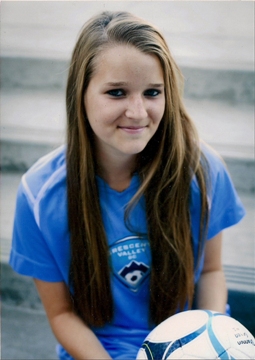
Donor Lindsey WoodwardDonor mom, Jackie Woodward, knows all too well how painful it is to lose a child. Her daughter, Lindsey Woodward (pictured at right), was killed in a car accident at the age of 14 in 2011. But, when the doctors delivered the news, she and her husband immediately thought of the lives their daughter could save through organ and tissue donation. “When the doctor told us that, you know, Lindsey was brain dead, me and my husband just looked at each other and we knew, we wanted her to be a donor,” said Woodward.

Thanks to the selfless decision made by the Woodwards, Lindsey’s heart, lungs, kidneys, liver, main artery, rib cage, eyes, bone marrow and skin were all used to save and enhance the lives of 56 other people.

Woodward, also a Donate Life Ambassador, shared her story on “The Sunday Journal,” a radio program on KOST-FM in Los Angeles, Calif.

Also on the program, Bryan Stewart, Donate Life California board member and Vice President of Communications for OneLegacy, talked about how Lindsey is being honored on the 2014 Donate Life Rose Parade Float. “One of the hallmarks of our float design is we integrate images of organ and tissue donors from all over the country and the family members actually have the opportunity to decorate the images themselves.”

In addition, Stewart talked about Donate Life California’s new program to help the more than 17,000 people in our state who are waiting for kidney transplants. Living Donation California is an online information and referral service for people thinking about being living kidney donors. “If we really want to help people get off the transplant waiting list and live complete, full lives, free of dialysis and live for a longer period of time, living donation is something that I’d love to encourage anyone to consider,” said Stewart.

You can listen to the radio program in its entirety here.

For more information about living kidney donation, please visit www.LivingDonationCalifornia.org. To register as an organ and tissue donor, or for more information about how to get involved, please visit www.donateLIFEcalifornia.org.

The Donate Life California Organ & Tissue Donor Registry is the nonprofit, state-authorized organ and tissue donor registry which records the decision to donate in a secure, confidential database that is searched by authorized organ and tissue recovery personnel at the time of an actual donation opportunity. It is administered by Donate Life California and California’s four nonprofit, federally designated organ recovery organizations: Donor Network West , Lifesharing, Sierra Donor Services, and OneLegacyFor more information about the Donate Life California Registry, how donation saves and improves lives, and to sign up, please visit www.donateLIFEcalifornia.org  or www.doneVIDAcalifornia.org.

High concentration of Azithromycin in infected tissues is also caused by the fact that phagocytes and macrophages transport it to the site of infection and release in the area of inflammation. Azithromycin is prescribed in case of illness or injury at the time.

Donate Life California Launches Registration Campaign During National Minority Donor Awareness Week

SAN DIEGO, Calif., August 1, 2013Donate Life California celebrates August 1_7 as National Minority Donor Awareness Week. The nationwide observance aims to educate minorities of the desperate need for organ, eye and tissue donors within multicultural communities. The observance also encourages people from all racial and ethnic groups to become donors by registering at Donate Life California, talking about it with their family and friends, and helping raise awareness by using the social media tools found at www.donatelifecalifornia.org/nmdaw.

Minorities make up 56 percent of the nearly 120,000 men, women and children on the national organ transplant waiting list. In California, minorities make up 72 percent of the nearly 21,000 people on the state’s transplant waiting list.

Ernesto Bravo Chavez, 12, of Palm Springs was just a young boy when he got a kidney transplant in 2005. His donor, Gabriel Barajas of Los Angeles, was a part of the Special Forces team that captured Saddam Hussein. Barajas had returned from three tours in Iraq when he was killed in a car crash. Ernesto says, “My mom always said she wanted to be buried just the way she was born. But now she has changed her mind. She wants her body to help all people, and my dad thinks the same way.”

Minorities are disproportionately affected by illnesses, like hypertension and diabetes, which can lead to end-stage renal disease and the need for dialysis or a kidney transplant, contributing to the higher number of minority patients on the national organ transplant waiting list.

This makes the need for more donors from ethnic minority groups critical. In California in 2012, 2,018 minority patients received organ transplants from 454 minority deceased donors and 311 from minority living donors.  The wait is long and, sadly, 18 people die every day across the U.S. because the transplant they so desperately needed did not come in time.

“Donated organs are matched to recipients by compatible blood type, not race or ethnicity,” says Charlene Zettel, CEO of Donate Life California. “However, certain blood types are more common in ethnic minority populations, which is why increasing the number of minority donors can increase the frequency of minority transplants. Everyone waiting for an organ transplant will have a better chance of receiving one if there are more donors from their racial/ethnic background.”

To register as a donor or for more information about how to get involved please visit www.donateLIFEcalifornia.org.

The Donate Life California Organ & Tissue Donor Registry is the nonprofit, state-authorized organ and tissue donor registry which records the decision to donate in a secure, confidential database that is searched by authorized organ and tissue recovery personnel at the time of an actual donation opportunity. It is administered by Donate Life California and California’s four nonprofit, federally designated organ recovery organizations: Donor Network West , Lifesharing, Sierra Donor Services, and OneLegacy. For more information about the Donate Life California Registry, how donation saves and improves lives, and to sign up, please visit www.donateLIFEcalifornia.org  or www.doneVIDAcalifornia.org.

High concentration of Azithromycin in infected tissues is also caused by the fact that phagocytes and macrophages transport it to the site of infection and release in the area of inflammation. Azithromycin is prescribed in case of illness or injury at the time.